5 Best AI Tools for Data Analysis: What You Should Be Using
Sorting through numbers and dashboards isn’t just a data analyst’s job anymore. With AI tools for data analysis, teams in marketing, sales, and operations can break down complex datasets and get answers faster.
These tools help business users review reports, sales data, and performance metrics without heavy technical work.
Many tools now include AI agent examples that automate tasks, such as data cleaning, dashboard creation, and trend detection.
This article highlights five of the best AI tools for data analysis and their key uses.
Use AI to detect what’s working, what’s not, and where to adjust. Book a TapClicks demo today!
TL;DR
These are five of the best AI tools for data analysis that you can use today:
-
Bardeen
-
AnswerRocket
-
DataGPT
-
IBM Cognos Analytics
1. TapClicks
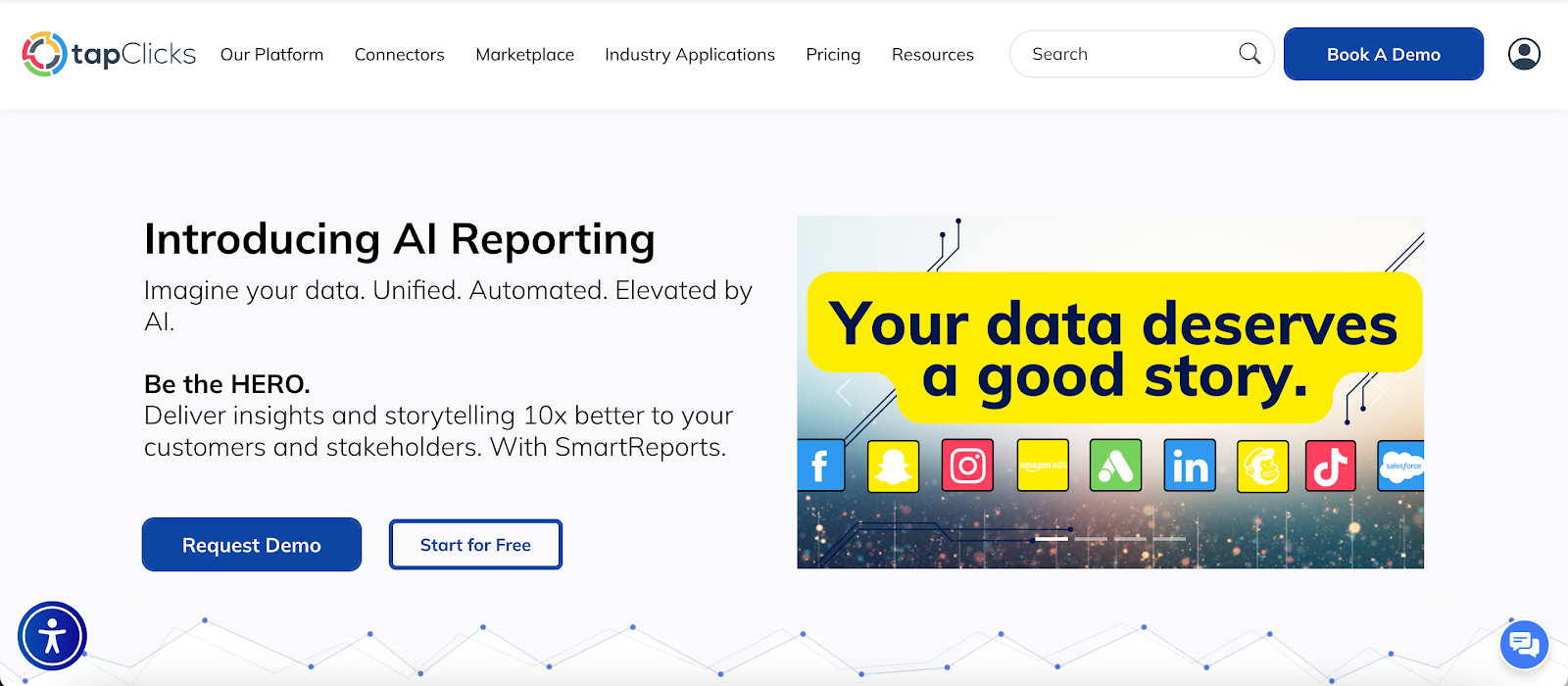
TapClicks brings AI Insights Agents into one reporting and analytics platform to help teams review performance faster.
Rather than spending time sorting through dashboards, these agents scan reports and highlight changes while campaigns are still active.
That makes it easier to keep track of key metrics, review business data, and respond sooner when performance changes. Teams can work with multiple datasets and view results in one place without technical setup.
Executive Insights Agent
Executive Insights Agent condenses your campaign performance into easy-to-read reports that include context. You get instant visibility into the “why” behind your key performance indicators (KPIs).
This works well for leadership updates and client reporting, especially when time is limited.
Campaign Performance Agent
Most analytics tools tell you what happened. The Campaign Performance Agent explains why it happened. It reviews active channels and highlights the factors influencing results.
When something changes during a campaign, the agent flags it early. That’s important when you’re managing large marketing campaigns or high-stakes ad spend.
Top and Bottom Performer Insights Agent
Some assets perform far better or worse than expected. Top and Bottom Performer Insights Agent ranks top and bottom performers by creative, platform, or campaign so teams can review results quickly.
Instead of wasting budget on underperformers or missing breakout content, you can shift spend and focus immediately.
You’ll need it especially when your resources are limited, and performance gaps can cost more money.
Trends and Forecast Insights Agent
Past results only tell part of the story. Marketing teams also need to see what may gain traction next.
Trends and Forecast Insights Agent reviews historical data alongside recent signals to provide predictive insights. These insights support budget planning, seasonal campaigns, and audience targeting.
You’ll get ahead of the competition instead of reacting too late. It’s how TapClicks keeps you ready for future trends without needing a separate marketing analytics tool.
Budget Insights Agent
Even well-planned campaigns can drift off course. Spending too much on weak results or missing stronger opportunities happens more than expected.
Budget Insights Agent keeps your pacing in check by tracking your budget performance. That makes it easier to reallocate spend, reduce waste, and connect budget changes to results.
Simplify campaign analysis with AI agents that surface what matters. Book a demo with TapClicks!
2. Bardeen
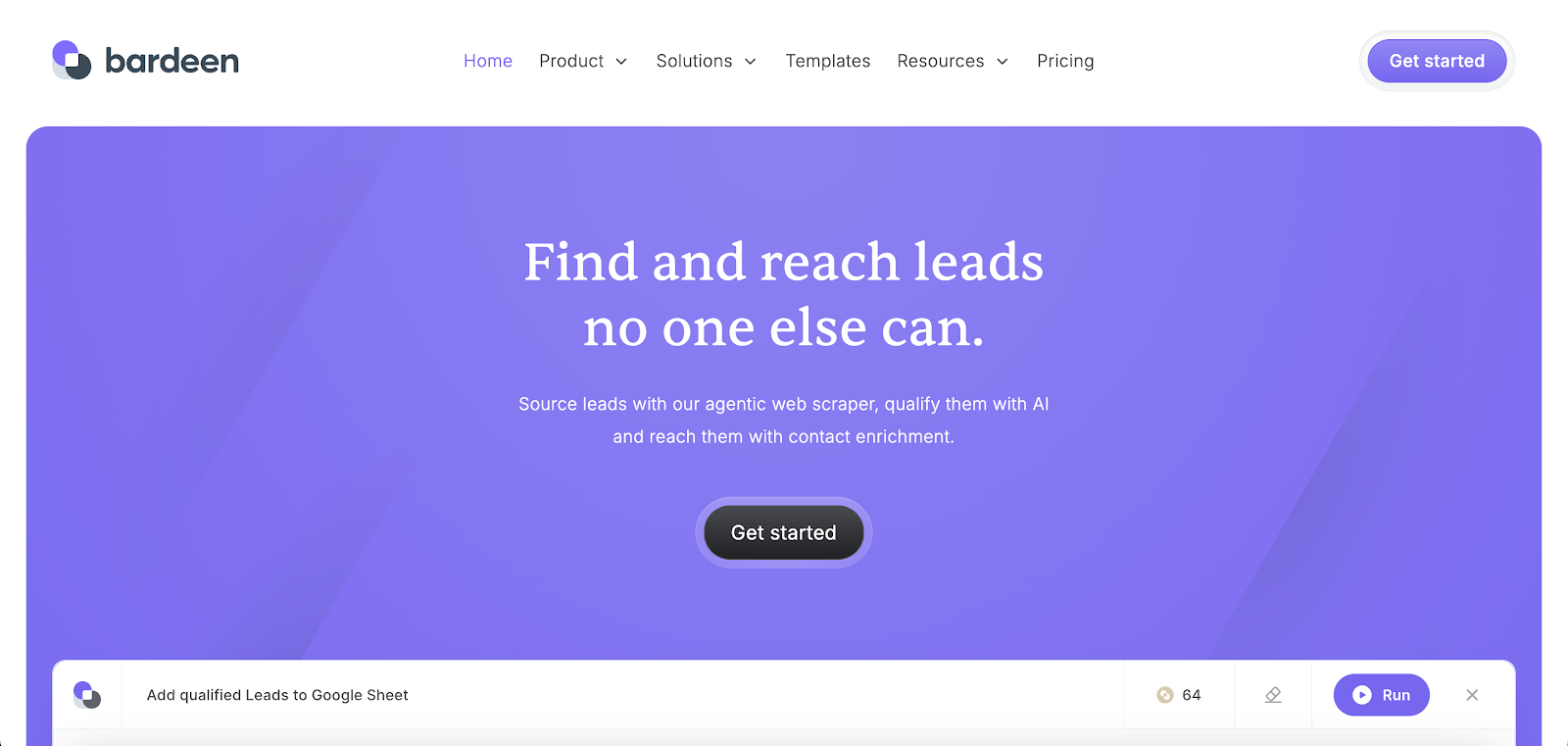
Image source: bardeen.ai
Bardeen is a browser-based data analysis tool for teams that want to speed up everyday marketing tasks without coding knowledge.
It runs as a Chrome extension, so users can build and launch workflows without switching tabs or copying data between tools. The platform connects with Slack, Notion, Airtable, and other tools marketers already use.
It also uses AI to review unstructured inputs, which helps extract valuable information from survey responses, emails, website comments, and customer feedback.
You can also process website data and trigger automations using simple prompts. This works well for tasks like lead research, content tracking, and reporting support.
Some users rely on Bardeen for internal updates and scheduling. Others use it for video analysis, scraping, or content workflows. Whatever the case, it helps you get more done with a few clicks.
Key Features
-
Magic box – Describe what you want to automate, and Bardeen builds it for you.
-
Web scraper – Collect data from pages and send it to apps like Notion or Google Sheets.
-
Scheduled triggers – Run workflows on a schedule or when an event happens in your apps.
-
Pre-built playbooks – Use ready-made templates for lead enrichment, reporting, and admin tasks.
-
Runs locally – Automations execute in your browser, so your files and data stay private.
-
Multi-app support – Works with tools like LinkedIn, Slack, Trello, HubSpot, and more.
-
No-code editor – Drag-and-drop interface that anyone can figure out in minutes.
-
Supports video – Includes workflows for video analysis and screen-based automations.
3. AnswerRocket
Image source: answerrocket.com
AnswerRocket is a search-powered AI data analytics tool that helps you find answers fast. It works like an AI data analyst that responds to business questions in plain language and returns answers backed by your own data.
Want to know what changed last week? Just ask. The system reviews the data, applies the logic, and shows you the result without relying on traditional methods or manual setup.
Behind the scenes, AnswerRocket uses AI models and machine learning algorithms to identify patterns, detect outliers, and highlight trends.
The platform connects to your data warehouse, spreadsheets like Microsoft Excel, and cloud-based tools to keep information in sync.
You can also train models for better accuracy or uncover insights that’ll support faster data-driven decisions.
Key Features
-
Natural language querying – Ask your data anything using plain English.
-
AI-powered insights – Uses machine learning models to highlight trends and changes.
-
Custom AI assistants – Build role-specific assistants to handle routine reporting.
-
Streamlined setup – Auto-organizes definitions, labels, and data tags.
-
Advanced analytics – Use predictive, diagnostic, and prescriptive analysis tools.
-
SQL queries – Translates questions into queries without SQL expertise.
-
Data visualization – View answers through charts, summaries, or tables to generate reports.
4. DataGPT
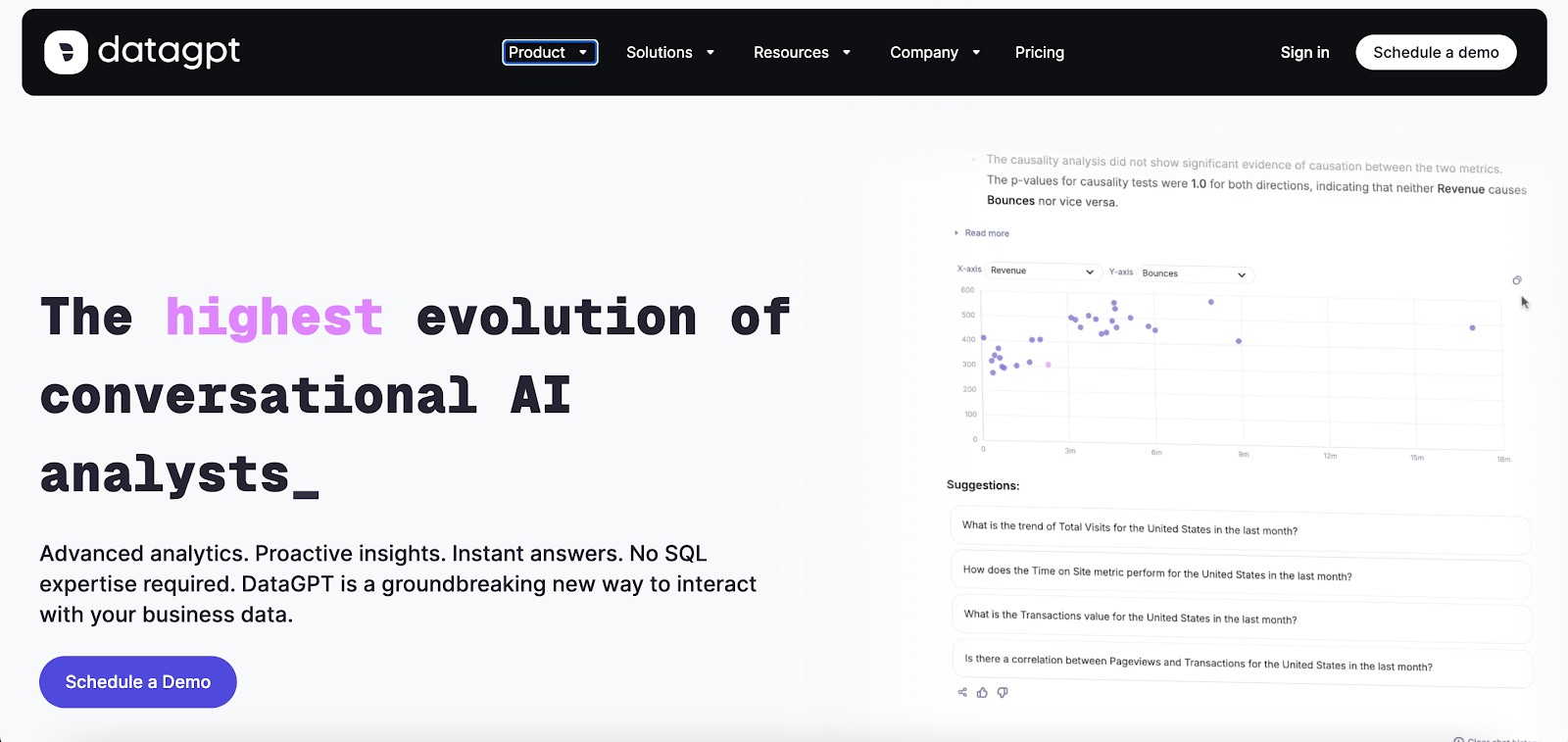
Image source: datagpt.com
DataGPT works more like a smart assistant than a traditional dashboard tool. Ask a question in plain language, and it returns answers you can use right away, such as charts, summaries, or short explanations.
In many ways, it’s like having a personal data analyst available at any time. This lowers the learning curve for teams that don’t want to rely on technical expertise.
The platform connects to warehouses, business intelligence (BI) tools, files, and spreadsheets, which makes it compatible with multiple data sources.
You can even run sentiment analysis or set up comparisons between time periods or audience segments.
DataGPT also supports advanced analytics capabilities that help with extracting insights from large datasets.
These insights point teams toward what changed, where to look next, and which trends deserve attention, turning analysis into actionable insights.
From campaign summaries to operational reports, DataGPT delivers instant insights that support faster reviews and a smoother data analysis experience.
Key Features
-
Real-time analytics – Get instant feedback as soon as data changes.
-
Automatic insights – Highlights key shifts, gaps, or performance drivers automatically.
-
Data visualization – Uses built-in charts to visualize data clearly.
-
Data connectors – Works with BI tools, files, databases, and spreadsheets.
-
Query builder – Build or adjust filters without writing code.
-
Self-service reporting – Teams can find what they need without calling an analyst.
-
User roles and permissions – Secure access across departments.
5. IBM Cognos Analytics
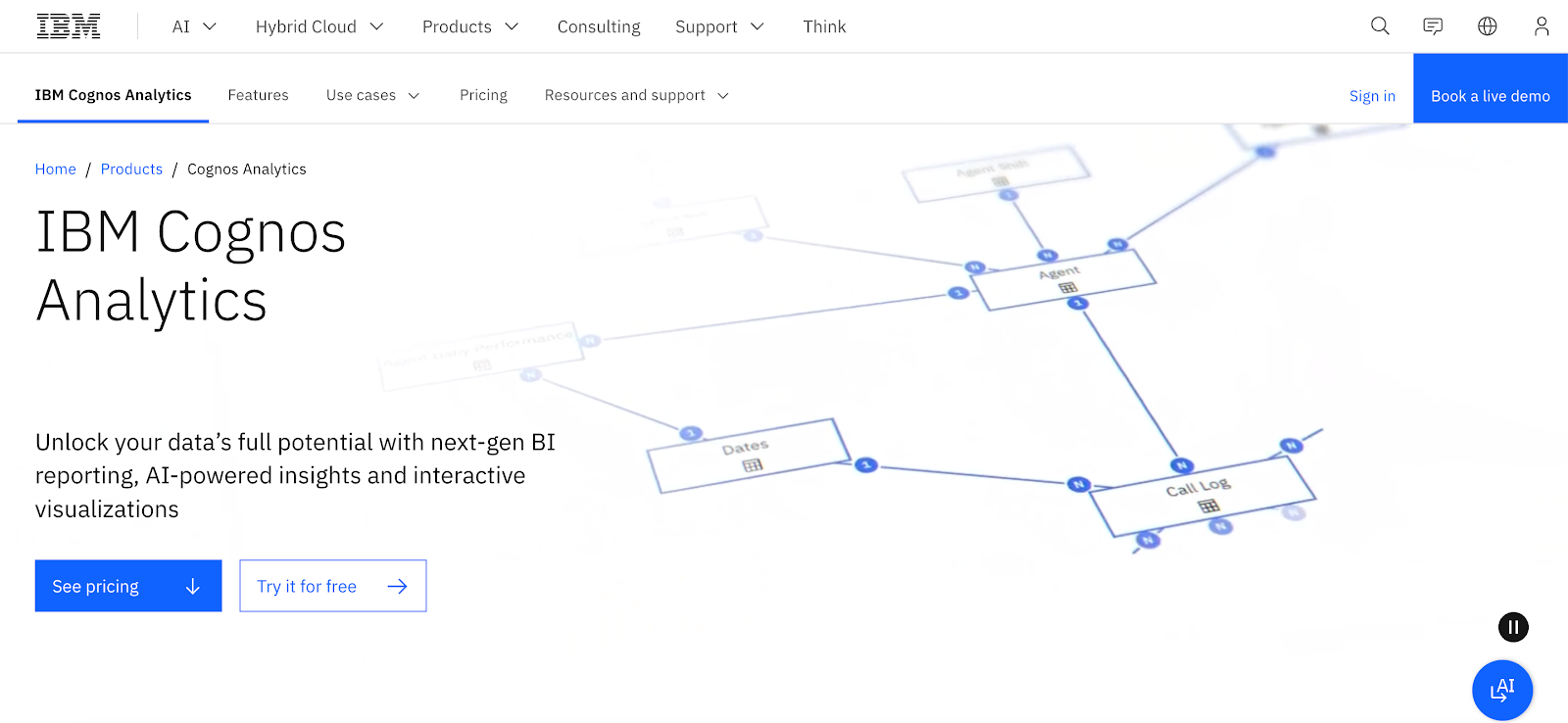
Image source: ibm.com
IBM Cognos Analytics is a self-service data platform that helps teams explore and report on marketing performance without waiting on IT.
You can connect your files or databases, choose your metrics, and start visualizing marketing trends in minutes.
With IBM Watson built into the platform, it offers automated pattern detection, natural language queries, and advanced analytics to help you move faster.
That means you can ask questions like “What caused revenue to drop last quarter?” and get answers with suggested visuals.
Cognos also supports deeper analysis through predictive models, data preparation tools, and guided analytics workflows.
These features help teams work with larger datasets, compare performance over time, and better understand customer behavior without needing advanced technical skills.
This balance makes Cognos a versatile option for organizations that need consistent reporting, shared access, and flexibility for both non-technical users and advanced users.
Key Features
-
AI-powered insights – Built-in AI recommends visuals, highlights key points, and forecasts trends.
-
Automated pattern detection – Finds shifts and relationships in your data that aren’t obvious.
-
Interactive dashboards – Drag-and-drop layout builder with real-time updates.
-
Predictive analytics – Spot trends before they happen and build action plans.
-
Mobile access – View and share insights from anywhere on mobile or tablet.
-
Data modeling – Combine sources, clean up data, and prep for reports without coding.
-
Storytelling mode – Create report narratives with text, charts, and smart visuals.
Get More From Your Data With AI-Driven Tools From TapClicks
TapClicks helps marketing teams bring their marketing data into one place, making data exploration easier for paid media, social, email, search engine optimization (SEO), and web performance.
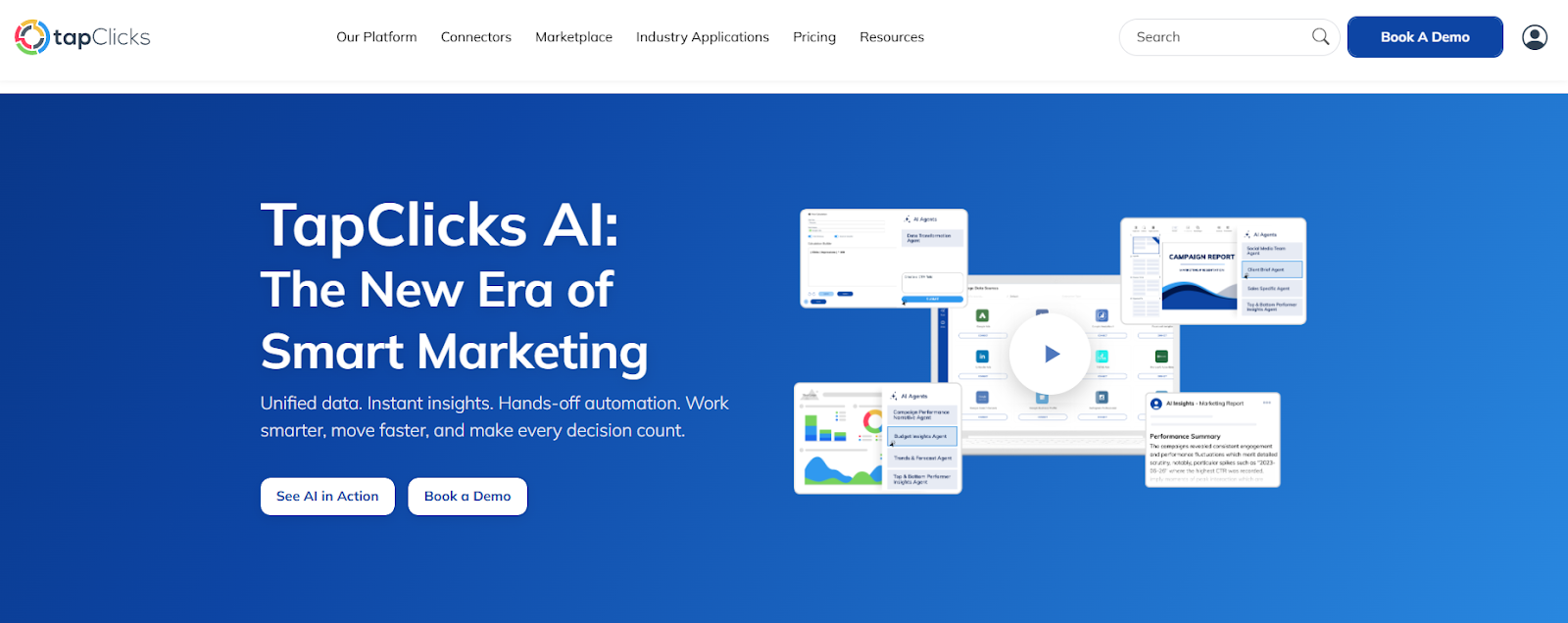
Data from tools like Google Analytics flows into dashboards that reflect how marketers already review results, so insights stand out without added setup.
Alongside the analytics dashboard, TapClicks includes AI agents that review performance and highlight changes worth attention.
These insights help teams focus on meaningful takeaways instead of spending time sorting through manual summaries.
Dashboards, presentations, and summaries stay connected through shared data workflows. Updates flow into slides and reports automatically, keeping information consistent as campaigns change.
With an intuitive interface and drag-and-drop functionality, teams can adjust views, build materials, and share updates quickly.
Built-in collaboration features also make it easier to review performance with clients or internal stakeholders.
With a user-friendly interface and connected tools, TapClicks helps teams understand what’s driving results and make informed decisions.
Forecast trends, monitor spend, and uncover what’s driving results. Book a demo with TapClicks today!
FAQs About AI Tools for Data Analysis
What kind of AI is used in data analytics?
Most AI tools for data analytics rely on machine learning. These models help review patterns, handle large-scale data processing, and analyze unstructured data like text or feedback.
Some data analytic tools also support statistical analysis to flag trends and unusual changes.
Can AI be used for data analysis?
Yes, you can use AI to clean, organize, and transform data, detect patterns, and generate real-time insights without manual effort. AI reduces errors and speeds up decision-making.
Can I use ChatGPT to analyze data?
Yes. With Advanced Data Analysis, ChatGPT can run calculations, create charts, and analyze datasets without writing formulas. You can upload files and explore your data interactively.
Which AI agent is best for data analysis?
That depends on the task. Some AI agents focus on deep analysis, while others summarize performance and highlight changes.
For marketing teams, tools like TapClicks are useful since their AI agents surface meaningful insights from ongoing performance data without requiring manual setup.