Boost Results With Predictive Analytics in Digital Marketing
Most marketers try to understand what will happen in their campaigns, but the future often remains uncertain. Reports describe what already happened, yet they don’t help you anticipate what comes next.
Predictive marketing analytics analyzes patterns in your historical data and forecasts how audiences may respond. It flags early signs of churn, signals rising interest, and alerts you when performance may slip.
In this article, we’ll explain how predictive analytics works and how agencies can put it into practice.
TL;DR
-
Predictive analytics in digital marketing helps agencies forecast results and respond to performance changes before they affect campaigns.
-
Agencies use these models to segment audiences, score leads, detect churn risks, and refine marketing decisions.
-
Common applications include subscription churn prediction, B2B lead scoring, personalized recommendations, and customer value estimation.
-
Challenges include data quality issues, system setup, and interpreting projections correctly.
-
TapClicks centralizes forecasting, insights, and automated analysis so you’ll improve marketing performance with less manual work.
What Is Predictive Analytics in Digital Marketing?
Predictive analytics in digital marketing uses historical data and machine learning to estimate future outcomes in your marketing campaigns.
It reviews data patterns in customer data and marketing data to predict customer behavior and likely changes in campaign performance.
Descriptive analytics reports past activity, and diagnostic analytics explains why it happened. Predictive marketing analytics goes forward and projects what may happen next.
It helps marketing professionals act early rather than wait for results to drop.
Predictive models evaluate data points across marketing channels and highlight signals that suggest churn risks, new interest, or shifts in customer preferences.
This helps teams optimize marketing campaigns at the right moment and create more relevant messages for each customer segment.
Benefits of Predictive Analytics for Digital Marketing Agencies
Predictive analytics in marketing gives agencies earlier insight into how campaigns may perform.
Here are the benefits that matter most to agency work.
-
Customer segmentation: Predictive analytics tools sort audiences by behavior patterns and purchase activity. This helps your team identify segments that respond to specific messages and create personalized marketing campaigns with higher relevance.
-
Future campaign performance forecasts: Predictive analytics models estimate likely changes in conversions, cost per lead, or demand. You can adjust budgets before performance weakens.
-
Churn risk detection: Predictive insights flag signs such as reduced activity, fewer repeat visits, or declining engagement. You can intervene early and help clients avoid revenue loss.
-
Customer lifetime value projections: Predictive analytics solutions calculate which segments produce higher long-term revenue. This supports better decisions about spending and prioritization.
-
Operational planning: A predictive analytics platform highlights patterns in campaign volume and service demand. This helps you allocate staff and resources at the right time.
These benefits help agencies improve marketing strategies and produce more reliable outcomes.
How Agencies Put Predictive Analytics Into Practice
Agencies rely on predictive analytics to make specific decisions that guide client work and internal operations.
The value doesn’t come from the forecast alone. It comes from how marketing teams apply those insights to their workflow.
Enhancing Client Services
Agencies use predictive analytics to set performance targets that reflect actual trends in their accounts. Forecasts based on historical data help clients understand what upcoming campaigns are likely to produce.
Teams review results across different marketing channels to see where the target audience engages.
Predictive analytics points to channels that support stronger marketing outcomes, which helps teams decide where to place the budget.
A predictive analytics platform also reveals how customers move through the customer journey.
When teams see drops in activity or shifts in interest at specific stages, they update their offers or timing to improve customer experience.
Strengthening Agency Operations
Agencies use predictive analytics to estimate the upcoming workload.
Patterns in campaign schedules show when reporting, creative work, or channel management will increase. Managers can plan staffing before those periods arrive.
Predictive analytics also helps agencies understand revenue patterns. Leadership reviews pipeline data and sees which accounts may reduce spend, renew, or expand.
Predictive models support new business decisions as well.
A machine learning model compares incoming prospects to clients with strong long-term performance and highlights which opportunities deserve more attention.
Real-World Use Cases of Predictive Analytics in Digital Marketing
Predictive analytics becomes most useful when it drives specific actions inside a campaign. These examples show how agencies apply data in practical scenarios across different industries.
Subscription Churn Prediction
Subscription companies monitor real-time data from user activity. A predictive model identifies unusual drops, such as fewer logins, shorter sessions, or skipped features.
These patterns appear in raw data before a customer cancels.
Agencies use this information to improve customer loyalty. For example, a SaaS team may send a training email to users who ignore key features.
A publisher may deliver content that matches past reading behavior. Each action responds to a specific signal instead of a broad guess.
Predictive Lead Scoring for B2B
B2B teams rely on efficient lead prioritization to improve sales outcomes. Predictive analytics reviews customer demographics, browsing patterns, and engagement activity.
Machine learning algorithms compare this information to past closed deals and highlight leads that match the traits of high-value customers.
This helps sales teams concentrate on prospects with stronger intent and reduces time spent on contacts with low potential.
Personalized Product or Content Recommendations
Retailers and content marketing teams use predictive analytics to create personalized campaigns based on actual behavior.
The model reviews purchase history, browsing patterns, and marketing trends across similar audiences.
If a user buys hiking gear, the system identifies items that shoppers with comparable patterns usually consider next.
This supports campaign optimization across social media marketing and onsite recommendations.
Customer Lifetime Value Prediction
Customer value varies widely across segments, and predictive analytics helps teams understand those differences.
A model analyzes order frequency, purchase amounts, and engagement levels to estimate future revenue potential.
Agencies use this insight to focus retention programs and budget decisions on customer segments that show stronger future value.
Propensity to Buy
Some industries rely on signals that indicate a customer is close to purchasing. For instance, a machine learning algorithm tracks actions such as repeated visits to pricing pages or configuration tools.
Once these signals appear, agencies can present more targeted offers or direct the individual to a sales rep. This increases the likelihood of conversion and reduces delays in the buying process.
Challenges Agencies Face With Predictive Analytics
Predictive analytics gives agencies actionable insights, but the process depends on accurate data and careful interpretation.
These are some of the challenges marketing teams encounter when they incorporate predictive analytics into their workflow.
-
Data quality issues: Predictive analytics software depends on accurate inputs. If tracking in Google Analytics is incomplete or customer records contain errors, data analysis won’t produce forecasts you can rely on.
-
Tool and system requirements: Some AI tools and marketing cloud intelligence platforms require solid data infrastructure. If connections across channels break or remain outdated, you’ll lose access to the information needed for data analytics and analyzing customer data.
-
Limits of artificial intelligence: AI identifies trends, but it doesn’t explain them. Teams still need descriptive and diagnostic analytics to confirm why a pattern appears before they optimize campaigns or make data-driven decisions.
-
Misinterpreting projections: Predictive models estimate future trends. They’re not final outcomes. Treating these estimates as guarantees can create confusion during reporting and lead to recommendations that don’t match what's happening in the account.
These challenges help agencies understand the conditions required to use predictive analytics responsibly.
How to Build a Predictive Analytics Operation in Your Agency
A reliable predictive analytics setup starts with accurate data. Review what you collect across your channels and confirm that tracking works.
This includes basic data preparation such as removing duplicates and fixing incomplete fields. Clean records give predictive models accurate information to work from.
Next, choose predictive analytics software that connects to your digital marketing tools. When forecasts appear inside the systems your team already uses, they can apply the insights directly to ongoing campaigns.
Your staff also needs focused training. They should understand what a forecast represents and how it differs from past results.
This helps them interpret signals that anticipate customer behavior and reduces the chance of misreading the output.
Agencies often start with models that forecast campaign performance, revenue activity, and client engagement patterns. These areas provide consistent data and reveal early signs that deserve attention.
When these elements are in place, predictive analytics becomes part of everyday decision-making. It helps your agency turn raw information into insights that improve marketing performance.
Improve Your Predictive Analytics Workflow With TapClicks
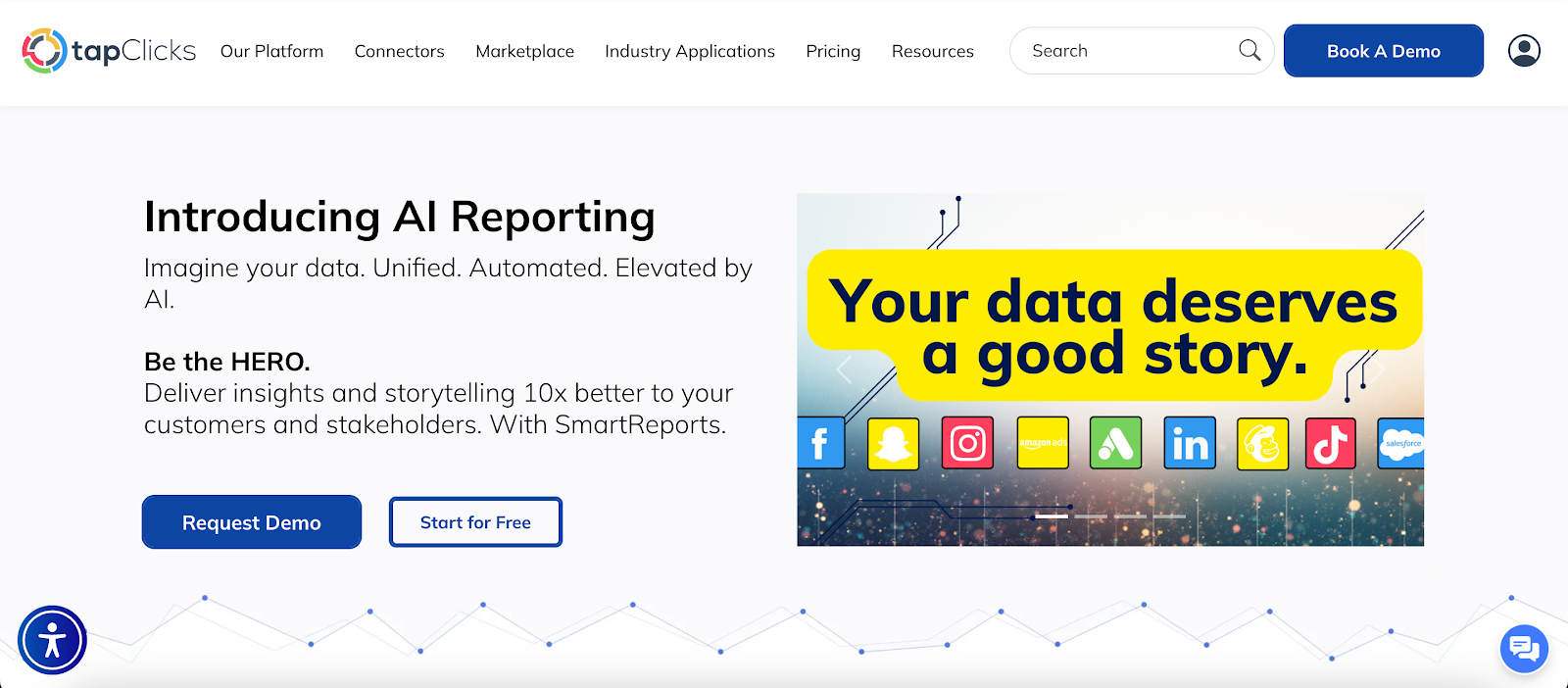
TapClicks organizes your data and forecasts in one platform, so your team can review trends and use predictions without relying on separate tools.
The system focuses on practical insight, accuracy, and everyday usability.
TapInsights Analyzes Trends and Projects Outcomes
TapInsights reviews historical data and current activity across your channels. It identifies changes in campaign performance and estimates future outcomes.
The module also generates recommendations through machine learning and prescriptive analytics.
These outputs give agencies valuable insights into the patterns that influence results and the adjustments that improve them.
TapAI Insights Agents Automate Analysis and Reporting
TapAI Insights Agents scan dashboards and reports to detect changes in audience behavior, channel activity, and spending patterns.
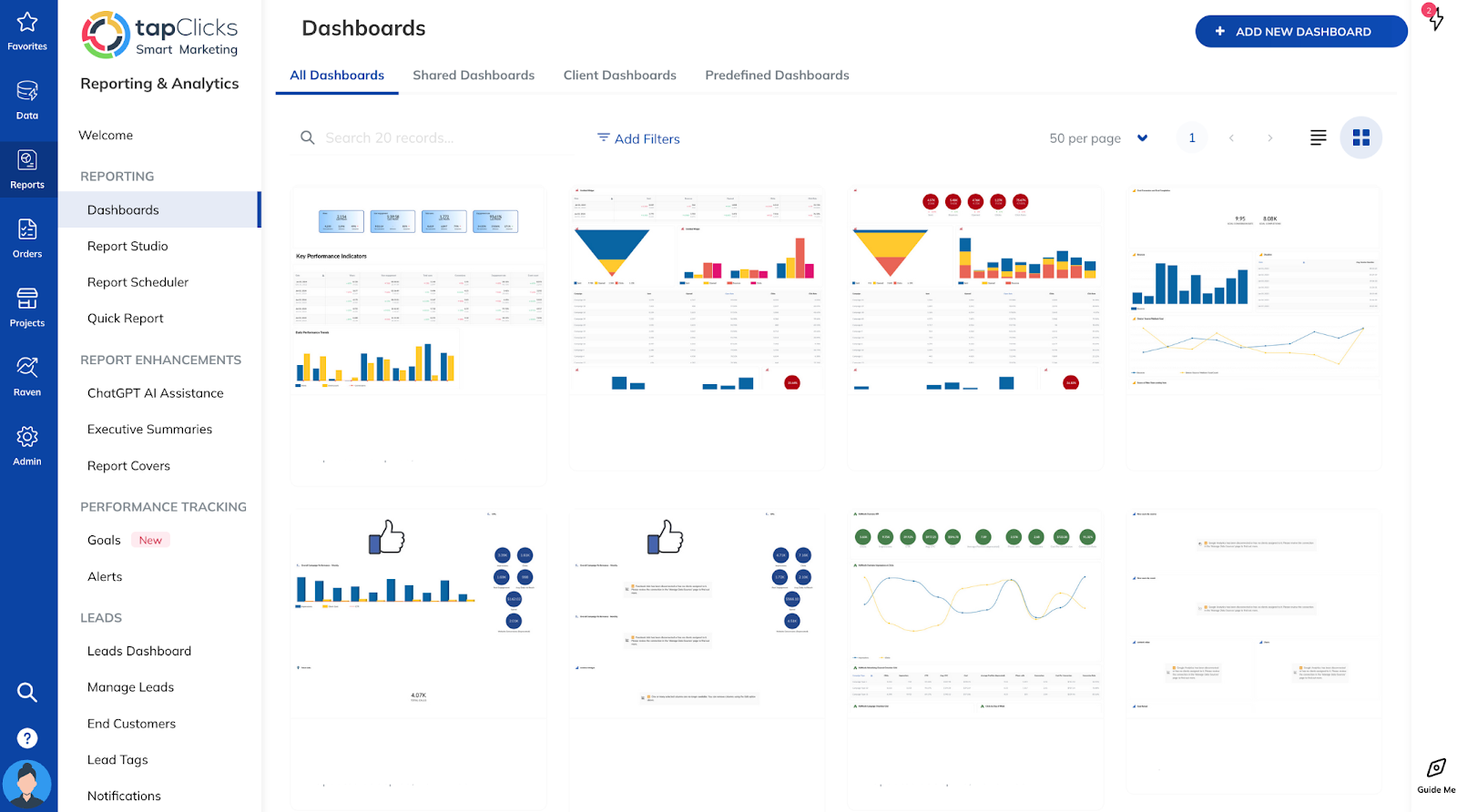
Each agent summarizes findings in plain language so teams can review information quickly.
Agencies can create custom agents for specific KPIs or accounts, which helps them anticipate customer behavior and address issues early.
Operator Agents Standardize Metrics and Data Preparation
Operator agents automate formulas and data preparation. It converts simple instructions into metrics such as ROI, ROAS, CPA, and conversion rates.
It standardizes fields and removes manual spreadsheet work, which reduces errors and keeps results consistent across accounts.
TapClicks also includes tools for lead management, automated slide creation, and scheduled insight summaries.
These features help agencies analyze performance and present valuable insights without relying on extra systems.
FAQs About Predictive Analytics in Digital Marketing
Is ChatGPT predictive or generative AI?
ChatGPT is generative AI. It produces text based on patterns learned from training data. It doesn’t forecast future outcomes in the way predictive analytics models do.
What are examples of predictive analytics?
Predictive analytics includes churn prediction, sales forecasting, lead scoring, and identifying purchase likelihood. These models estimate future outcomes using historical data and current activity.
What is an example of predictive marketing?
A retailer may use past purchase behavior to recommend products a customer is likely to consider next.
In a similar way, a B2B team may rank new leads based on traits that match previous high-value clients. Both examples rely on data patterns to guide marketing decisions.
Why would a marketer use predictive analytics?
Marketers use predictive analytics to estimate future performance and identify early signals that matter.
These predictions help them adjust campaigns, protect retention, prioritize leads, and manage budgets more accurately.