What Is Marketing Optimization? Secrets Behind Top Campaigns
Marketing can feel unpredictable. Some campaigns take off while others fall flat, and you’re left guessing why.
Marketing optimization helps you see what actually drives results. It uses real data to show which audiences respond, which messages spark action, and which channels bring in revenue.
You adjust based on evidence, so each round of marketing campaign optimization brings you closer to what your customers want.
This guide breaks down how marketing optimization works and how you can use it to boost performance across every channel you manage.
TL;DR
-
Marketing optimization uses data to improve campaigns and identify what drives measurable results.
-
It helps you understand how audiences react, which messages work, and which channels attract qualified traffic.
-
Key elements include data analysis, channel refinement, and predictive modeling that guide smarter decisions.
-
Each channel responds differently, so SEO, paid search, content, and social require their own optimization steps.
-
TapClicks unifies data and automates workflows so you can review performance and adjust marketing strategies faster.
What Is Marketing Optimization?
Marketing optimization improves campaign results by relying on data analysis instead of instinct.
You review key metrics to see how your target audience reacts to your message and where users engage or lose interest.
Customer data helps you spot the factors that attract potential customers. Analytics tools then show how users behave across your content and what brings in more traffic.
Over time, your marketing team gains a clearer picture of what drives results. You analyze marketing campaigns and refine them as new patterns appear.
Why Is Marketing Optimization Important?
Marketing optimization is important because it shows how each part of your marketing efforts contributes to your goals.
Performance metrics identify the strategies that raise conversion rates and the methods that reduce them. This helps you place the marketing budget on actions that return more value.
Marketing data also brings precision to customer behavior analysis. It shows how visitors move through a marketing channel, how many reach a landing page, and which marketing elements raise or lower customer acquisition cost (CAC).
The marketing optimization process improves marketing performance in predictable ways. Each cycle uses verified results, and recurring patterns become easier to recognize.
Over time, you'll see which decisions lead to stronger business outcomes and which ones limit progress.
Four Core Pillars of Marketing Optimization
Marketing optimization relies on several pillars that help you improve performance across channels.
Each pillar focuses on a distinct part of marketing performance and uses measurable inputs to improve campaign results.
Target Audience Optimization
Target audience optimization identifies the groups most likely to respond to specific marketing messages.
Review customer preferences, user behavior patterns, and industry data to see which segments align with the target market.
Predictive marketing analytics can highlight customers with traits linked to higher customer lifetime value. This helps you direct marketing spend toward audiences that produce more reliable revenue.
Budget and Channel Optimization
Budget and channel optimization evaluate how each marketing channel contributes to return on investment (ROI).
Examine return on ad spend, customer acquisition cost, and website traffic to see which channels meet defined marketing objectives.
These comparisons help you assess the value of search engines, social media marketing, Google Ads, and other online advertising sources.
When performance shifts, the data signals where adjustments to marketing plans are necessary.
Creative and Message Optimization
Creative and message optimization studies how audiences react to specific marketing messages.
A/B testing compares headlines, images, and offers, and results reveal which versions attract more website visitors and improve campaign performance.
These insights help you refine marketing tactics and match messages to the expectations of each audience segment.
Technology Driven Optimization
Technology-driven optimization uses marketing automation, analytics tools, and unified data sources to support more informed decisions.
A data warehouse consolidates marketing data from multiple channels, giving you a complete view of the customer journey instead of isolated metrics.
Automation manages repetitive updates and tracks performance metrics, which gives you more time to refine strategies based on verified results.
Key Elements of the Marketing Optimization Process
The marketing optimization process relies on several elements that help you measure results and adjust campaigns with precision. These elements focus on practical tasks rather than broad strategy categories.
-
Data analysis: Reviews performance metrics and customer feedback. These details show which marketing tactics influence conversions and which ones need revision.
-
Channel and audience refinement: Evaluates how different channels attract target customers. Use Google Analytics and similar tools to see which channels bring qualified traffic and which channels fail to meet marketing objectives.
-
Predictive modeling: Uses historical trends to estimate how specific marketing elements may perform in future campaigns. These forecasts help you place each marketing dollar where it's most likely to produce favorable results.
Together, these elements provide verified information that supports continuous improvement across any digital strategy.
How Different Channels Respond to Marketing Efforts
Each channel responds to marketing efforts through its own data signals. These signals show how users behave in that environment and what adjustments improve results.
Search Engine Optimization
Search engine optimization (SEO) responds directly to how well a page answers a specific query.
Search engines evaluate the relevance of headings, the accuracy of the topic, and the overall structure of the page.
For example, if a page ranks lower than expected, adding missing subtopics or improving internal links often improves its position in search engine rankings.
These adjustments help attract visitors who already show interest in the subject, which makes SEO one of the most reliable channels for capturing intent.
Content Optimization
Content reacts to clarity, topic depth, and organization. Readers stay longer when a page addresses their question in the first few lines and expands with examples or data that match their expectations.
You can confirm this by reviewing the time on the page or the scroll patterns. If most readers stop at the same section, the content may need stronger explanations or clearer transitions.
These updates help content marketing efforts maintain momentum and keep users moving through the customer journey.
Paid Search and Display Optimization
Paid search responds to keyword alignment and message accuracy. Google Ads performs well when the search term, ad text, and landing page communicate the same offer.
For instance, if a keyword attracts clicks but produces very few conversions, the ad may promise something the landing page doesn’t deliver.
Adjusting the wording or narrowing the keyword to a more specific phrase often improves results for e-commerce marketing campaigns.
These refinements help you direct spend toward searches that show buying intent.
Social Media Optimization
Social media marketing efforts respond to format, timing, and how closely a topic matches user interests. Short videos often outperform static images on platforms that prioritize rapid engagement.
Reviewing performance by post type helps identify which formats attract target customers. Timing matters as well. Posting when your audience is most active produces more reliable reach.
These insights help refine strategic distribution across platforms and ensure each post aligns with user expectations on that channel.
Common Challenges in Marketing Optimization
Marketing optimization efforts often reveal issues that prevent campaigns from performing as expected. These challenges appear across many organizations and require consistent attention.
-
Data fragmentation: Data fragmentation occurs when performance information sits in separate tools. Website activity may be stored in one platform while campaign results sit in another. This separation makes it harder to see how different marketing elements influence each other.
-
Unclear measurement structure: When performance metrics aren’t defined, it’s difficult to judge whether a campaign update worked. A simple measurement framework helps you understand progress and choose effective marketing strategies.
-
Budget allocation issues: Channels vary in cost, audience quality, and impact. Without consistent comparisons, spending may shift toward channels that don’t support marketing objectives. Marketing mix modeling helps evaluate channels with the same standards.
-
Shifts in customer behavior: Customer behavior changes due to marketing trends, seasons, or competitor activity. These shifts can reduce the impact of campaigns that once performed well. Routine reviews help you spot new patterns early.
These challenges become manageable when decisions rely on verified data and a consistent review process.
Review Your Cross-Channel Performance With TapClicks
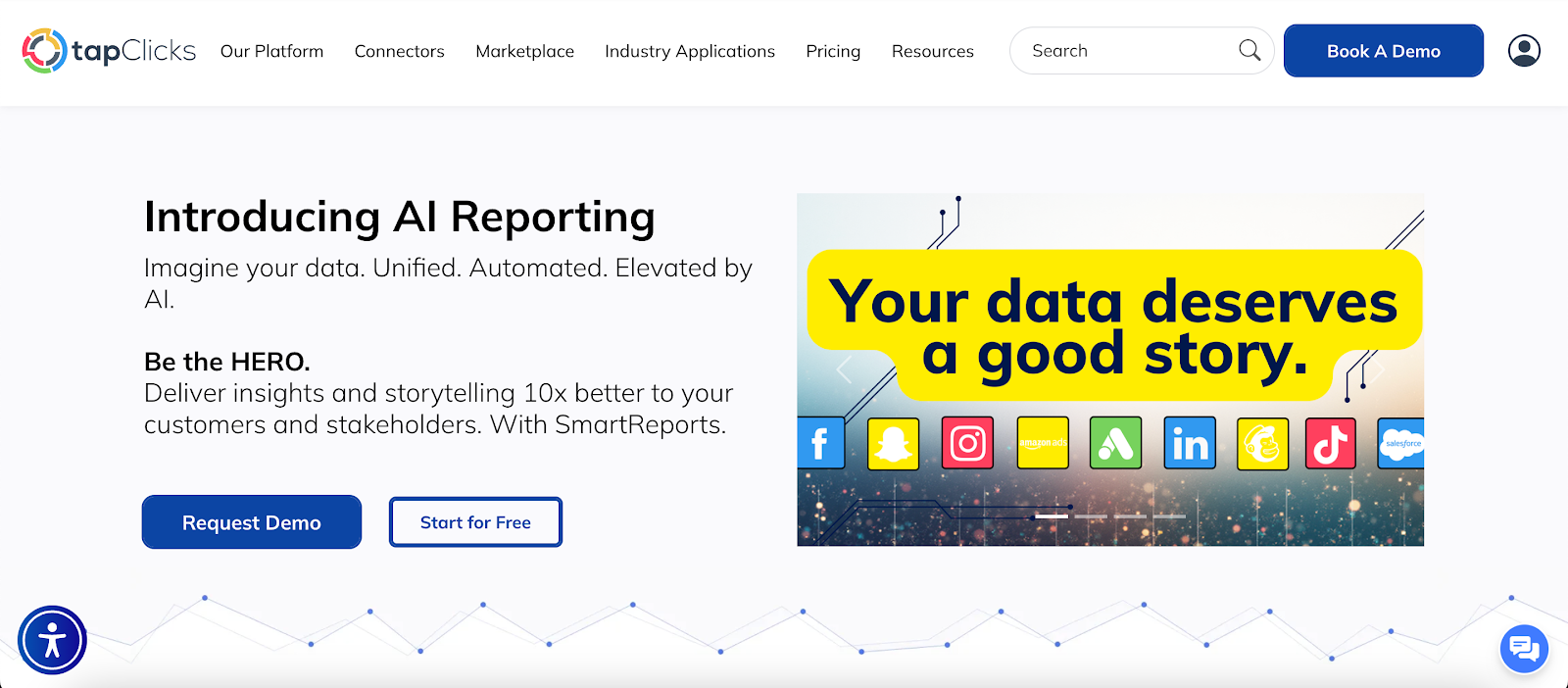
TapClicks supports digital marketing analytics with unified data, efficient workflows, and tools that surface actionable insights.
These features help you optimize your marketing strategies with information you can review immediately.
Unify Data for Accurate Performance Analysis
TapData connects more than 10,000 sources, including Google Ads, Facebook, LinkedIn, email platforms, and customer relationship management systems (CRMs).
All data moves into a managed warehouse, which removes the need for manual exports or separate reports.
TapAnalytics presents this information in real time. You can compare channels, review ROI trends, and identify wasted spend as soon as it appears.
This supports more precise decisions and helps refine strategies with current data.
Automate Workflows to Remove Manual Tasks
TapOrders and TapWorkflow manage approvals, campaign setup, and task handoffs. These tools automate repetitive tasks that often slow campaign execution.
TapReports gathers performance metrics into one dashboard, giving you more time to adjust targeting, revise messaging, or test new formats.
This framework supports steady and effective marketing optimization across campaigns.
Strengthen SEO Visibility With Diagnostic Tools
Raven Site Auditor scans a site for technical issues such as broken links, missing metadata, and slow load times. The tool provides a checklist that helps you fix issues that reduce visibility in search engines.
Raven Rank Tracking monitors keyword positions and identifies opportunities for content updates. These tools help measure marketing effectiveness across organic search.
TapClicks brings data, workflows, and insights into one system, which helps you make faster and more accurate decisions.
Book a demo to see how TapClicks simplifies your daily workflow and boosts every campaign you manage!
FAQs About Marketing Optimization
What is the 3-3-3 rule in marketing?
The 3-3-3 rule helps you create more effective subject lines. Spend 3 seconds to capture attention, 3 seconds to state the value, and another 3 seconds to prompt action.
What is an example of optimization?
One example involves updating a paid search campaign after reviewing performance data. A marketer may remove a broad keyword that produces low conversions and replace it with a more specific term that aligns with user intent.
What are the four types of marketing strategy?
The four main types of marketing strategy are market penetration, market development, product development, and diversification.
Market penetration focuses on growing sales within your current audience. Market development introduces existing products to new customer groups.
Product development adds new offerings for your established audience. Diversification expands into different markets with new products and may use strategic partnerships to reach new segments.
What is the 40-40-20 rule in marketing?
The 40-40-20 rule breaks campaign success into three parts. The first 40% comes from selecting the right audience, another 40% comes from the offer, and the final 20% comes from creative execution.