AI Marketing Insights: Tools, Strategies, and Examples
Most organizations collect more data than they can actually use. Reports pile up, dashboards multiply, and it becomes harder to explain why campaigns succeed or fail.
AI marketing insights help marketers connect those signals, uncover patterns, and make faster decisions based on campaign performance data.
In this guide, you’ll learn how AI marketing insights work, where they come from, and how leading teams turn them into measurable results.
TL;DR
-
AI marketing insights help teams understand why performance improves or declines.
-
AI-powered platforms analyze customer behavior, attribution data, and channel activity to uncover patterns earlier.
-
Poor tracking, disconnected reports, and inconsistent naming conventions can weaken data accuracy.
-
Analysts and managers use AI insights to adjust budgets, refine targeting, evaluate creative performance, and catch issues sooner.
-
TapClicks helps organizations unify performance data, automate recurring updates, and apply AI marketing insights during campaign reviews.
What Are AI Marketing Insights?
AI marketing insights help teams understand why campaigns perform the way they do. They connect customer data across channels and identify patterns that are hard to spot through manual data analysis alone.
Most analytics platforms only show surface-level results. You can see higher ad costs or lower conversion rates, but the reason behind those changes is often unclear.
AI examines customer behavior to identify the factors behind those outcomes.
For example, someone may discover a brand through Google Ads, leave the website, then return later through an email campaign.
AI-powered tools can connect those interactions into a complete customer journey. That gives analysts and decision-makers clearer attribution data and a better understanding of what influenced the conversion.
Machine learning powers much of this analysis. AI models study historical data and recognize behaviors linked with purchases or stronger engagement.
Predictive analytics then uses those patterns to help managers identify emerging trends and make better decisions about future investments.
Where Do AI Marketing Insights Come From?
AI marketing insights come from data collected throughout the customer journey. Every interaction adds context that helps AI understand how people discover, research, and purchase products or services.
Most companies collect information from several platforms:
-
Paid advertising platforms record ad engagement
-
Website analytics tools track visitor behavior
-
Customer relationship management (CRM) systems store lead and sales activity
AI combines that information to uncover relationships between customer actions and campaign results.
Attribution depends on the connected data. Without it, teams only see isolated actions instead of the full decision-making process behind a conversion.
Tracking quality also affects the accuracy of AI-generated insights.
Browser-based tracking often loses data because of privacy restrictions and ad blockers. Companies usually use server-side tracking to capture more customer activity before the browser interrupts the request.
What Weakens AI Marketing Insights?
AI tools depend on accurate data. If conversion data goes missing, AI algorithms start analyzing an incomplete picture of campaign performance.
Attribution reporting usually reveals the issue first. A team may compare Google Analytics with ad platform reports and notice different conversion totals. In some cases, a purchase never gets recorded after a browser blocks the tracking request.
Campaign organization can create problems, too. A paid search initiative might use shortened labels, while social media dashboards use full names.
AI algorithms may interpret those efforts as separate promotions even when they belong to the same launch.
Customer journey tracking has also become harder. Privacy settings and cookie restrictions now block parts of first-party data before reporting systems capture it. That leaves gaps inside attribution models and weakens AI-driven insights.
Disconnected marketing tools create more blind spots. Website activity, CRM records, and email engagement are often separated, which limits the context AI systems can analyze.
How AI Marketing Insights Guide Campaign Decisions
AI marketing insights affect campaign decisions. Analysts and managers use live data to review attribution, adjust targeting, monitor ad spend, and respond to issues before performance declines further.
Attribution Insights Refine Marketing Campaign Planning
Attribution insights reveal which channels introduce customers early in the buying journey. A campaign may generate a few last-click conversions yet still contribute to future purchases through branded search.
That information affects budget planning. Teams often continue investing in channels that repeatedly assist conversions, even when another source receives final attribution credit.
Those findings also influence future marketing strategies. A company may increase investment in channels that attract higher-value customers over longer sales cycles.
Budget Allocation Insights Expose Wasted Spend
Budget allocation can fluctuate quickly during active marketing campaigns. Search costs may spike during seasonal promotions. Certain traffic sources may also attract low-intent visitors who increase ad spend without generating revenue.
AI-powered tools identify those patterns through marketing analytics. Managers can review pacing problems, revise bids, or pause underperforming efforts before overspending increases further.
Audience Insights Improve Customer Targeting
Audience segmentation becomes more useful when AI analyzes long-term customer behavior. Teams can identify which visitors repeatedly engage with content marketing and which customer groups respond to specific offers.
Research on AI-driven recommendations found that 129 of 164 consumers reported that personalized recommendations improved product discovery. That matters for marketers creating targeted campaigns based on browsing activity, engagement history, and purchase intent.
Creative Insights Reveal Weak Campaign Elements
Creative performance data helps teams identify what loses attention during active promotions. A headline may attract clicks yet fail to hold interest after visitors reach the landing page.
AI systems surface those engagement patterns during active testing periods. Advertisers can revise copy, update visuals, or adjust offers before weak creative affects additional ad spend.
Real-Time Monitoring Detects Reporting Problems Earlier
Tracking problems can distort performance data without warning. A missing conversion event may suddenly reduce reported revenue even though purchases continue normally.
AI systems monitor activity patterns and flag unusual changes. Analysts can investigate pacing issues, tracking failures, or traffic drops before they affect budgets, forecasts, or performance reviews.
How to Turn AI Marketing Insights Into Revenue
Here are seven steps you can use to turn AI marketing insights into revenue opportunities.
1. Unify Your Marketing Data
Start by connecting business data from advertising platforms, website analytics, email platforms, and CRM systems into a unified analytics platform.
That connection improves attribution analysis. When data remains siloed, teams may overlook channels and campaigns that influenced purchases earlier in the customer journey.
2. Standardize Metrics and Campaign Taxonomies
Consistent naming conventions improve analytics accuracy. A paid social promotion using shortened labels can appear unrelated to a search initiative promoting the same offer.
Conversion metrics also need consistency. If one platform counts a form submission as a conversion and another tracks completed purchases only, reporting totals becomes unreliable.
3. Use AI to Surface Risks and Revenue Opportunities
Once performance data becomes organized, AI agents can analyze campaign activity with more context.
A sudden increase in acquisition costs may point to weaker traffic quality during a promotion period. AI systems can also identify key trends connected to abandoned carts or declining engagement before those patterns affect revenue further.
4. Review AI Recommendations Within Business Context
AI capabilities help teams process large amounts of raw data, though reporting systems still lack business context.
For instance, a campaign with fewer direct conversions may still influence branded search activity later in the sales cycle.
Marketers should review AI recommendations alongside customer retention data, seasonal demand, and broader strategic initiatives.
5. Prioritize Insights Connected to Revenue
Actionable insights become more useful when marketers connect them to financial outcomes. A temporary drop in click-through rate may require less attention than rising acquisition costs or weaker conversion quality.
Data-driven decisions become easier when measurement priorities connect directly to profitability and customer retention.
6. Automate Reporting and Insight Delivery
AI automation can reduce the repetitive tasks involved in manual reporting preparation. Automated summaries and scheduled dashboards help stakeholders review campaign performance during active review cycles.
That process also shortens delays between performance reviews and budget decisions.
7. Measure Outcomes and Refine Future Recommendations
Campaign outcomes provide feedback that improves future performance analysis.
In practice, marketers often compare which recommendations increased repeat purchases, reduced acquisition costs, or improved conversion quality.
That review also helps identify poor data quality, attribution inconsistencies, and tracking issues earlier in future initiatives.
How Marketing Teams Use AI Insights Daily
Insight-driven marketing requires regular campaign reviews and fast follow-through after performance issues appear.
You may notice acquisition costs climbing during a product launch. That review can lead to lower bids, revised audience targeting, or paused placements before overspending continues.
Reporting discussions should also go deeper than surface-level metrics. Ask questions like:
-
Which channels introduced repeat buyers earlier in the funnel?
-
Which landing pages lost visitors before conversion?
-
Which email sequences triggered lower engagement rates?
-
Which retargeting audiences stopped responding to ads?
Those conversations help you revise campaign planning earlier in the decision-making process.
Artificial intelligence can process large volumes of data quickly. Human review still determines whether those recommendations match revenue priorities or customer behavior patterns.
For example, conversational AI may detect negative sentiment in customer responses or social media conversations after a product launch.
You can then revise headlines, promotional messaging, or content generation before engagement declines further.
AI Marketing Tools for Content, SEO, and Reporting
The right AI tools help teams create content, review campaign performance, automate email communication, and monitor search visibility.
Here are several platforms marketers use regularly.
Canva for AI Content Creation

Image source: canva.com
Canva helps content teams create presentations, ad graphics, social media posts, and short-form videos from simple prompts. You can describe a campaign idea in natural language, then edit the generated design directly inside the platform.
Its generative AI features apply brand fonts, colors, and messaging automatically through Brand Kit settings.
Canva AI also uses large language models (LLMs) to generate headlines, captions, and layout suggestions during the design process.
The platform can also read uploaded files and convert them into editable presentations or graphics, making it easier to reuse marketing briefs and reports.
Semrush for AI-Powered SEO Insights
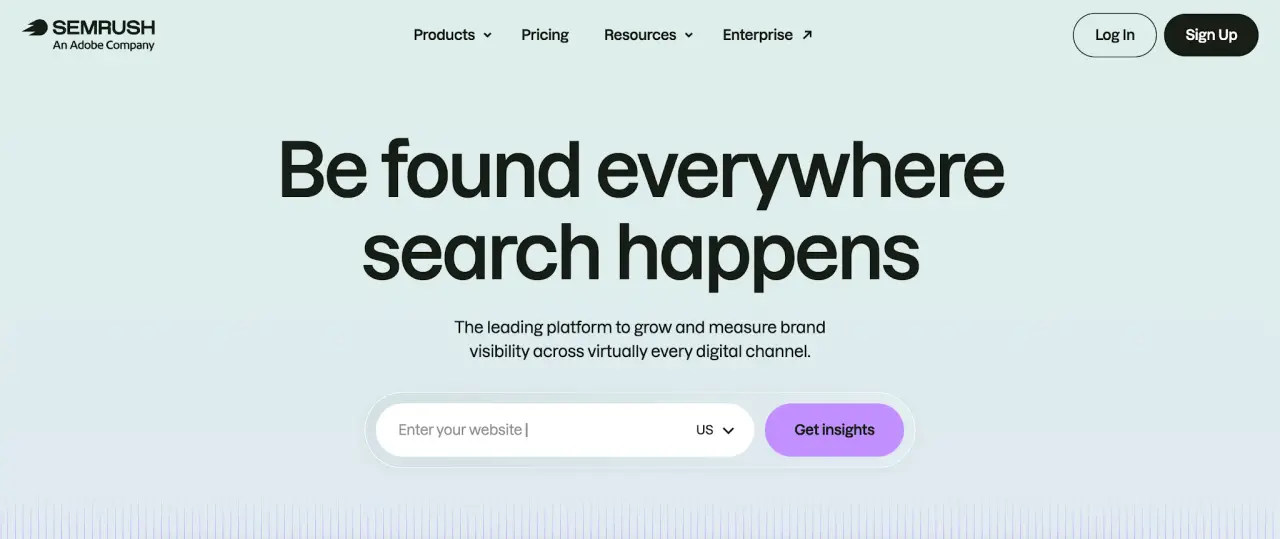
Image source: semrush.com
Semrush helps marketers monitor search engine optimization (SEO) visibility and review how AI search platforms reference their brand.
The platform tracks citations, keyword rankings, and AI-generated search prompts connected to your industry.
Its audit tools review metadata, backlinks, page speed, and site structure to identify issues affecting search visibility.
Analysts also use Semrush for AI-powered market research by reviewing trending prompts and search behavior connected to product discovery.
HubSpot for AI Campaign Automation
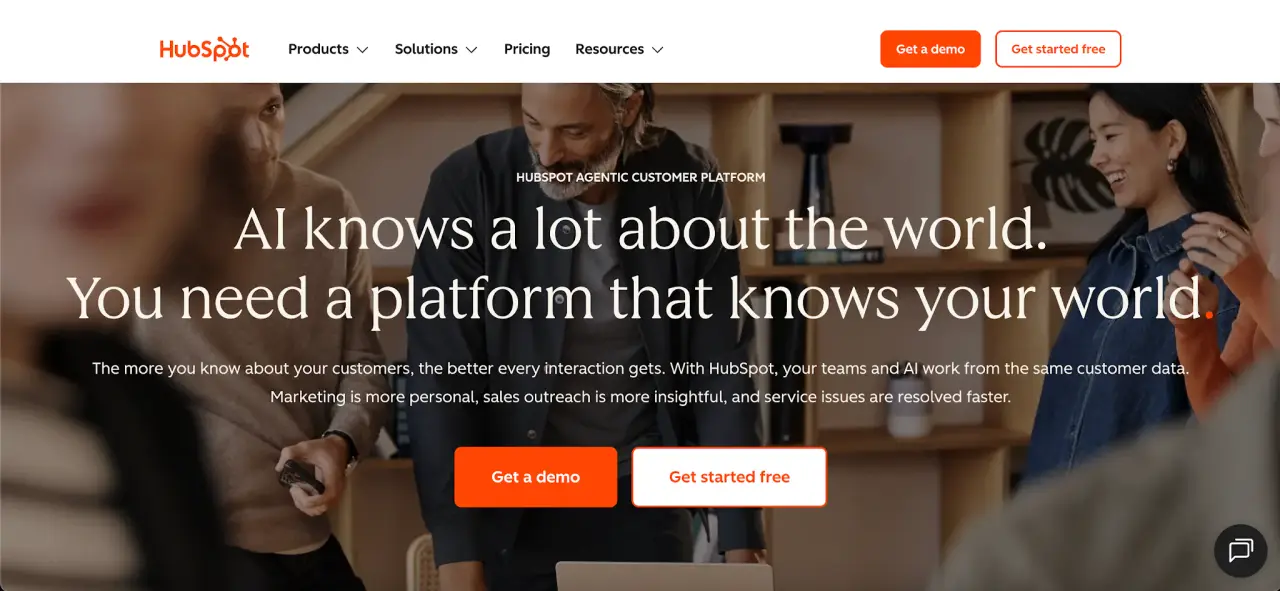
Image source: hubspot.com
HubSpot helps users generate campaign assets without writing every email or landing page manually. Its AI tools create ad copy, subject lines, and promotional messaging using customer activity and business objectives.
The platform also records website visits, email clicks, and form submissions automatically. Those insights help teams identify which initiatives generate qualified leads and which promotions lose engagement after launch.
Mailchimp for AI Email Marketing
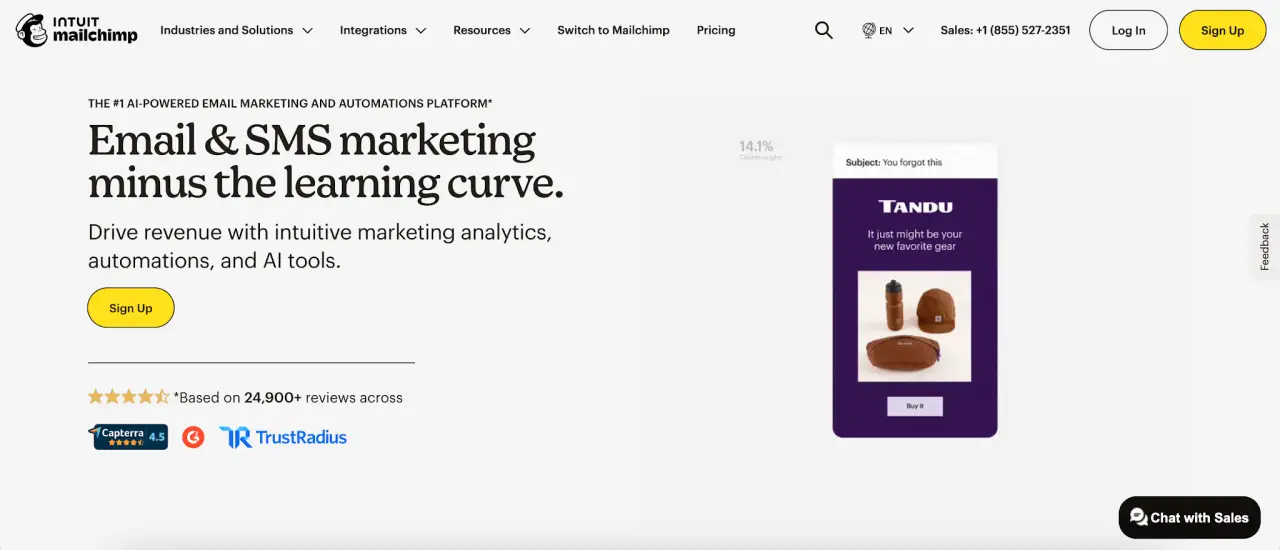
Image source: mailchimp.com
Mailchimp focuses on email personalization and automated customer journeys. Its AI tools analyze subscriber engagement and recommend send times using previous open and click behavior.
The platform can also generate email copy and organize subscribers into audience segments automatically. Email teams often use those recommendations after abandoned cart activity or declining email engagement.
TapClicks for AI Marketing Insights and Reporting
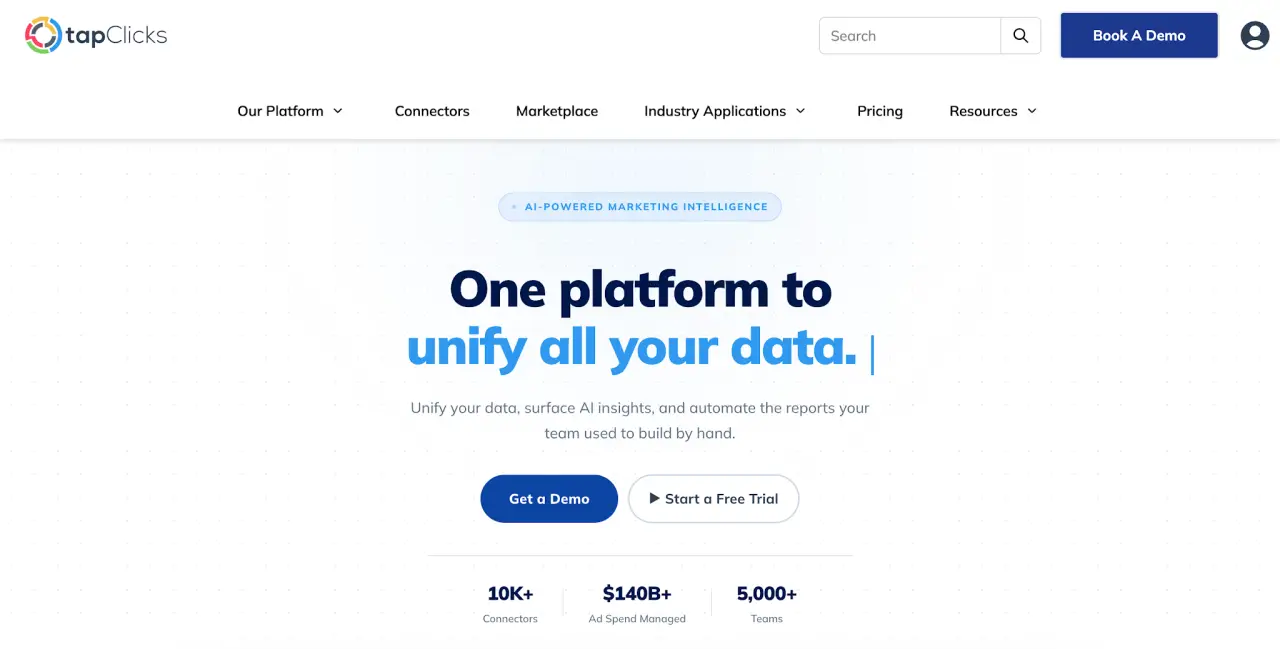
TapClicks combines analytics, AI-driven insights, and performance monitoring in one platform.
The platform pulls information from more than 10,000 sources. Then, it organizes disconnected marketing data into dashboards, AI-generated summaries, and client-ready reports.
Its AI Insights Agents monitor campaign pacing, unusual traffic activity, and conversion performance using real-time data.
SmartSlides automatically converts performance results into presentation decks, while SmartEmail delivers scheduled updates directly to clients and stakeholders.
Ask Your Dashboard also lets users explore attribution trends, conversion activity, and performance metrics through conversational prompts instead of manual filtering.
Why AI Marketing Insights Need Execution
AI marketing insights lose value when no one acts on them.
A campaign may show declining conversion quality for days before anyone adjusts bids or audience targeting. Attribution data may reveal that branded search depends heavily on upper-funnel traffic, yet budget allocation remains unchanged.
Finding a problem is only useful if something changes afterward.
V Digital Services (VDS) faced this challenge while managing data from multiple advertising channels. Their staff needed faster access to performance metrics and client-facing tools without switching between disconnected systems.
TapClicks gave VDS a centralized view of performance activity and client updates. The platform helped them spot performance issues and respond while campaigns were still running.
As companies add more channels, it becomes harder to keep track of what is driving results. Decisions depend on accurate information, especially when traffic, conversions, and ad spend shift quickly.
AI also helps teams detect pacing issues, attribution gaps, and conversion shifts sooner.
Insights become more valuable when platforms like TapClicks help companies turn performance data into decisions before opportunities are missed.
Respond Faster to Campaign Performance With TapClicks
AI marketing insights help you respond to performance changes before delays affect budget planning or attribution analysis.
Data issues often persist longer than they should. Information may sit inside disconnected dashboards or separate platforms before anyone investigates the problem.
TapClicks helps you centralize analytics in one place. You can review attribution patterns, conversion activity, and pacing trends without switching between multiple tools.
That becomes more important as organizations collect larger volumes of information from paid media, email, search, and social channels. Delayed visibility can slow campaign adjustments and client communication.
TapClicks also helps you apply AI-driven insights during ongoing performance reviews and planning discussions.
FAQs About AI Marketing Insights
What impact does AI have on marketing?
AI helps teams and analysts evaluate results faster and respond to customer behavior earlier. It also automates repetitive tasks such as performance tracking, audience targeting, and email personalization.
Many companies use AI to predict future trends and adjust strategy before results decline.
What is a key benefit of using AI for market insights?
AI can process large amounts of customer and performance data in less time than manual analysis. That helps decision-makers uncover accurate insights while campaigns are still active.
Faster analysis also helps advertisers identify attribution issues and audience behavior patterns earlier.
What skills are needed for AI marketing?
AI marketing requires analytical thinking, campaign strategy, and reporting skills. Marketers should also understand customer behavior, attribution analysis, and content performance.
Familiarity with natural language processing (NLP) and marketing automation platforms can also help when integrating AI into daily workflows.